
Starting point
Evidence review
Skills and evidence considered against the applicable requirementsAssessment decisions must be based on the evidence available and the requirements being assessed.
Recognition of Prior Learning Experience and evidence
RPL may be worth exploring if you have relevant work history, prior training or practical experience. Evidence is reviewed against the applicable course or unit requirements.
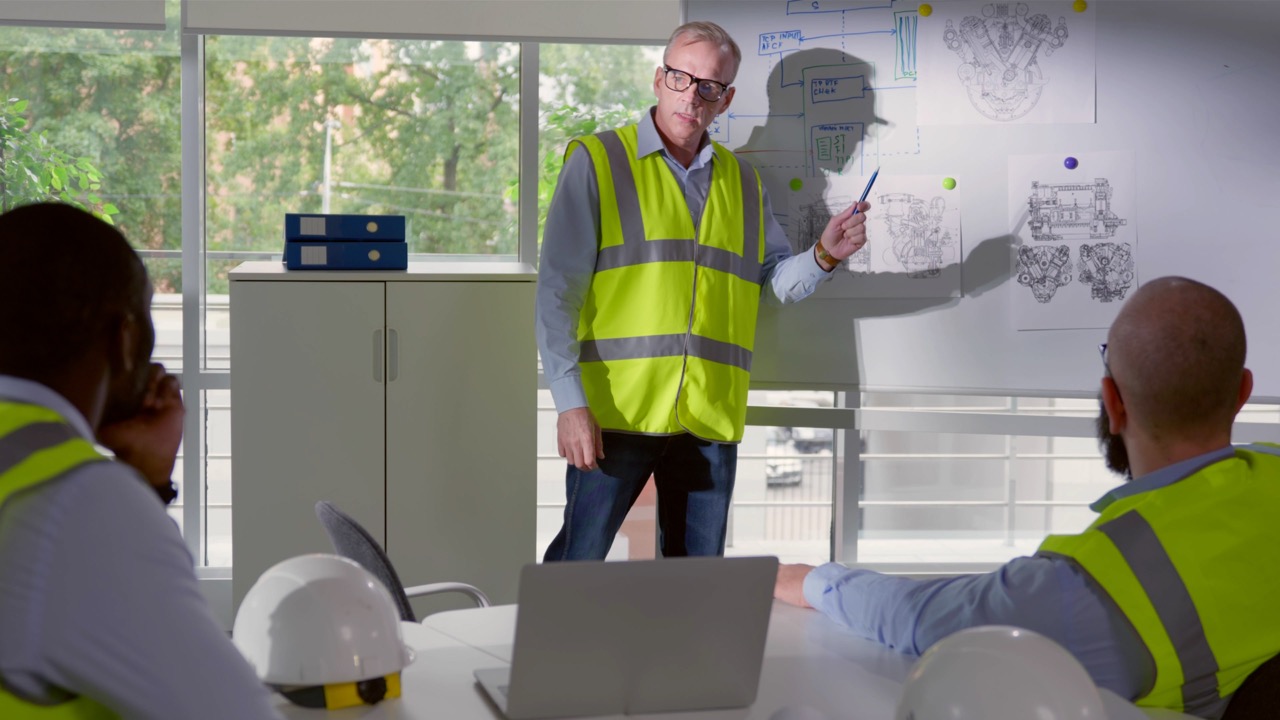
RPL, explained
RPL is an assessment pathway for relevant skills and knowledge you already hold. Experience alone does not guarantee recognition or certification.
What the review considers
Your work and prior learning must relate to the applicable course or unit requirements.
Evidence must be valid, sufficient, current and authentic.
Recognition and certification depend on assessment outcomes under the relevant partner RTO arrangement.
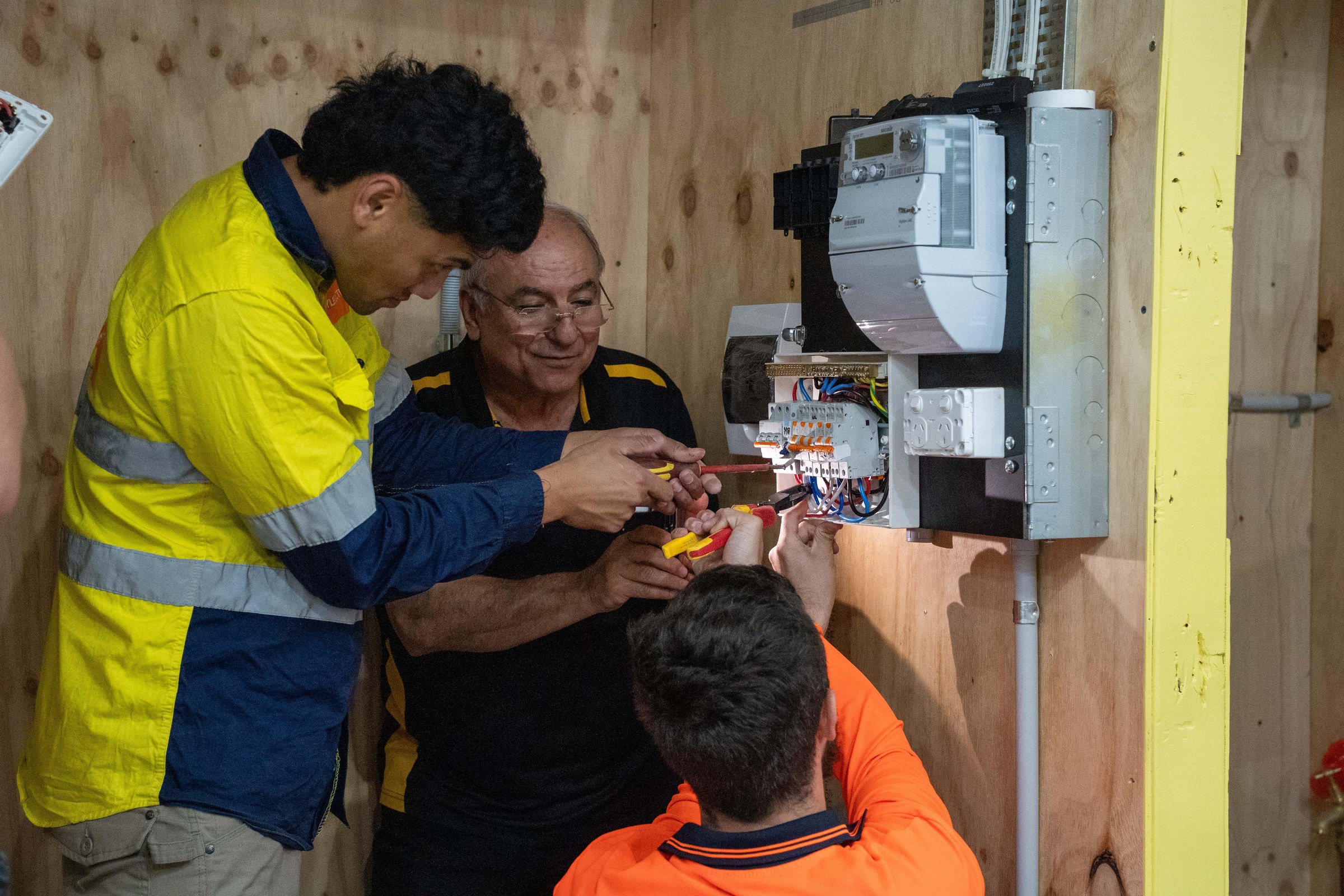
Your evidence
Evidence requirements vary by course and unit. These are common examples—not a checklist everyone must complete before making contact.
Common evidence sources
Show your roles, dates, responsibilities and the work you performed.
Show yourself completing relevant tasks and finished work where appropriate.
Include checklists, site documents, sign-offs, safety records or similar material.
Use references that confirm your work context, responsibilities and experience.
Include relevant credentials, Statements of Attainment or previous training records.
You do not need every item for the first conversation. Any evidence used for assessment must still meet the applicable requirements.
How RPL works
The exact steps vary by qualification and unit. This is the practical sequence you can expect to discuss.
Share your work history, prior training and the qualification or skills you want to discuss.
The team can explain which workplace records may be useful for your situation.
Assessment considers whether evidence is valid, sufficient, current and authentic.
More evidence, practical assessment or targeted training may be needed if gaps are identified.
Any qualification or Statement of Attainment is issued by the relevant partner RTO.
After the review
RPL is not an automatic shortcut. The review may identify recognition, a need for more evidence or skills that still need to be developed.
Starting point
Assessment decisions must be based on the evidence available and the requirements being assessed.
Possible next directions
If evidence meets requirements
If more is needed
The applicable course, unit and partner RTO arrangement determine what happens next. RPL is not guaranteed, and not everyone will need the same evidence or training.
RPL responsibilities
RPL may involve All Skills College and a relevant partner RTO. We will explain who is responsible for each part.
Supports the learner journey, delivers training and conducts assessment under formal third-party arrangements.
Provides oversight and issues any qualification or Statement of Attainment in line with the assessed outcome and its scope.
The applicable partner RTO, course or unit requirements and certification arrangement are confirmed before you proceed.
View RTO partnersRPL FAQ
Understand evidence, possible gaps, assessment responsibilities and certification before choosing your next step.
No. Relevant experience may make RPL worth exploring, but evidence still has to be assessed against the applicable course or unit requirements.
Common examples include work history and résumés, photos or videos, job sheets, workplace records, references, licences, tickets and prior training. What is relevant depends on the course or unit.
No. You can contact our team with what you have. They can explain which evidence may be useful before assessment.
More evidence, practical assessment or targeted training may be needed. The next step depends on the requirements and the evidence available.
The relevant partner RTO issues any qualification or Statement of Attainment in line with the assessed outcome and its scope.
Your next step
Share your experience, evidence and course or unit interests. The team will review what you provide and contact you about possible next steps.